The Roman Accessories listed in this category were supporting equipment for the Romans. These included kitchen goods, camping items, belts, buckles, and other small items used in reenactmnet.
-
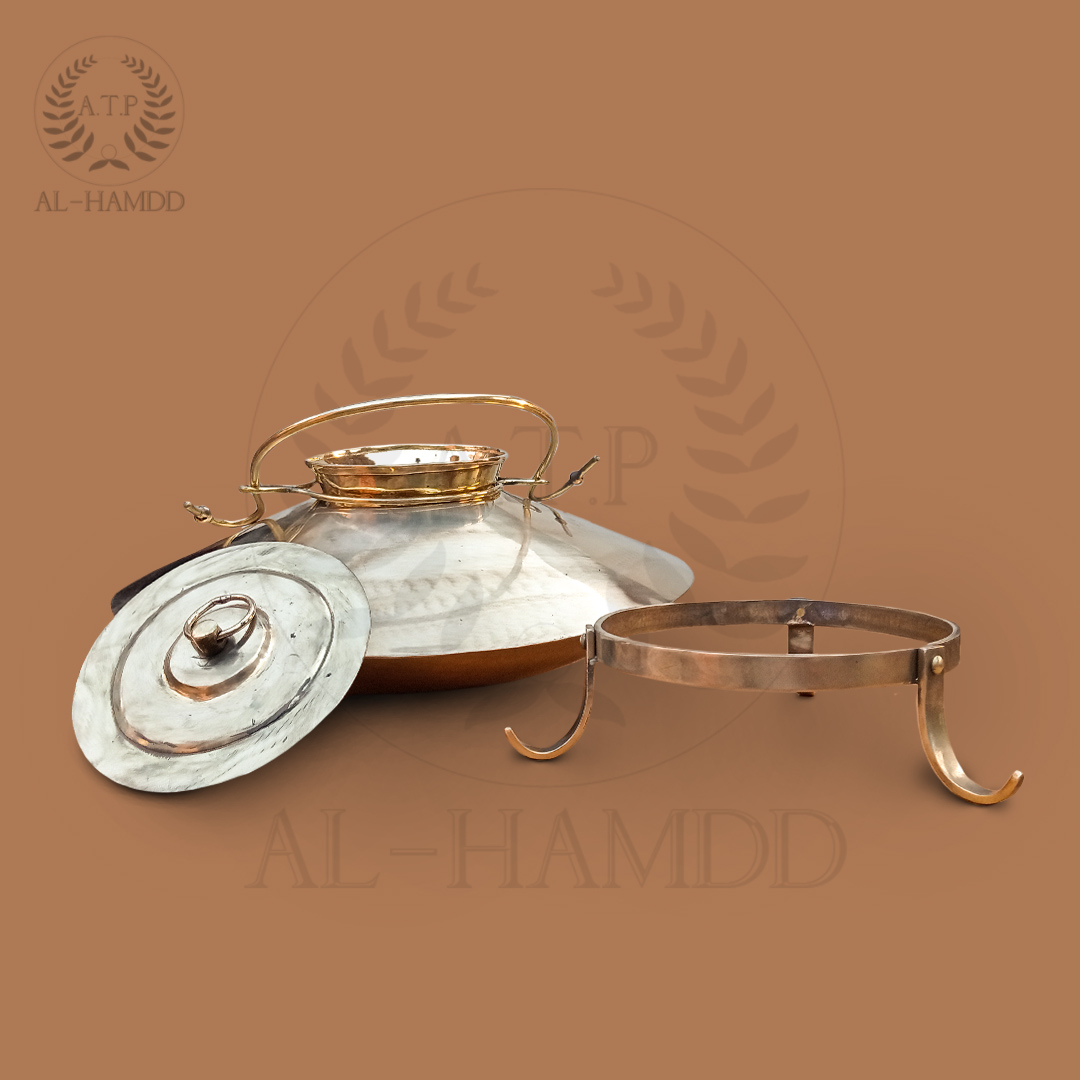
Brass Cooking Pot | Roman Flat Cacabus
Price range: $110.00 through $180.00This product has multiple variants. The options may be chosen on the product pageKey Points –
-Period – Roman Era
– Base Material – 1.2mm sheet metal (Brass/Steel)
– Gross weight – 4 pounds
– Total Height – 13.5cm
– Stomach Diameter – 30cm
– Handle height – 14cm
– Mouth Diameter – 10cm
– Capacity – 1 LDescription –
The brass cooking pot is a timeless kitchen and camping essential, inspired by designs dating back to the Roman era. Favored by soldiers for its durability and practicality, its thoughtfully crafted form features a sturdy handle that allows it to be suspended over an open flame with ease. The gently curved base promotes even heat distribution, ensuring efficient and consistent cooking. Simple yet highly functional, this pot was an affordable staple found in everyday households. Adding to its charm and craftsmanship, the lid is securely attached to the body with a handmade chain of interlinked brass rings. This elegant detail reflects both utility and artisanal tradition.
-
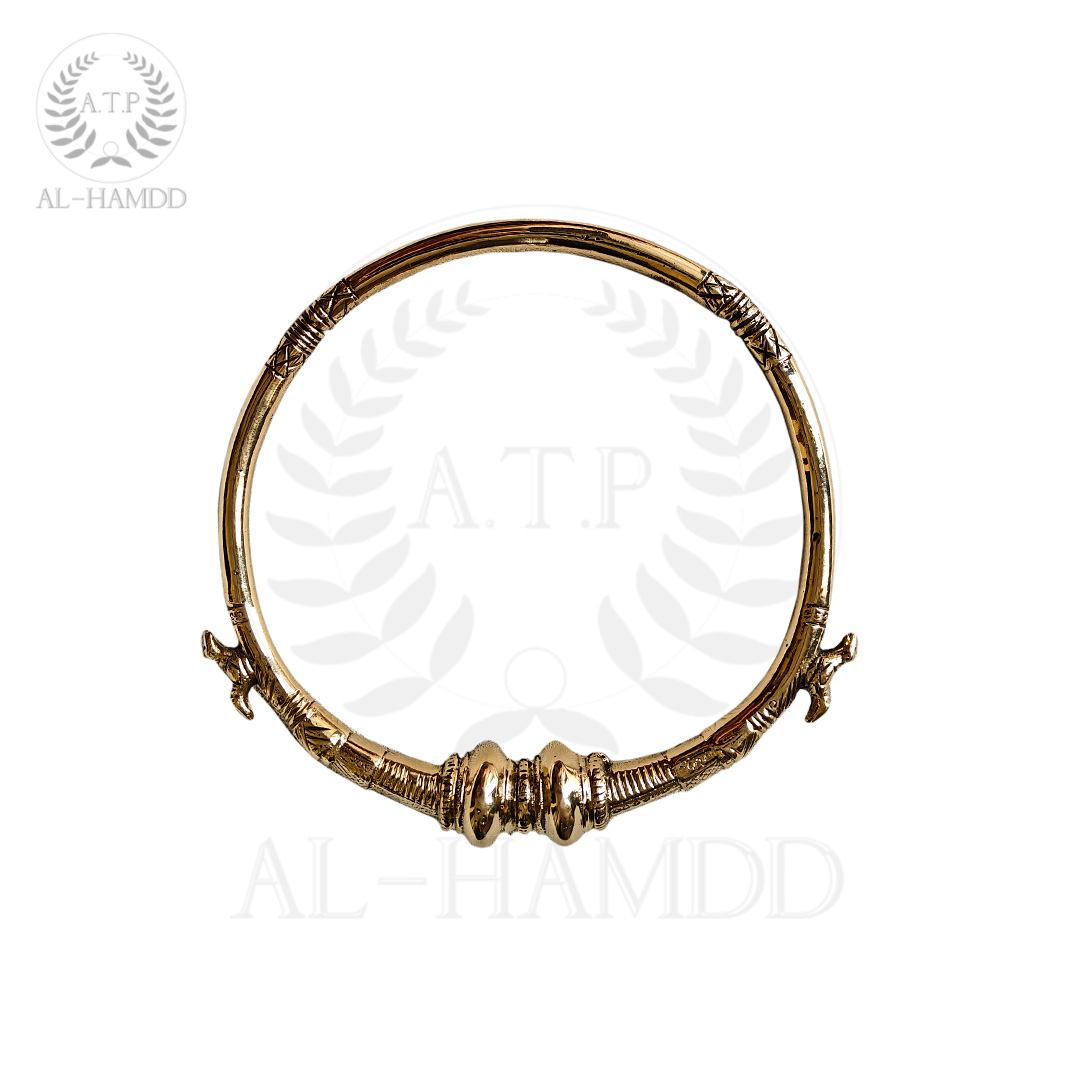
Closed Buffer Torc | Roman Reenactment Jewellery
Price range: $25.00 through $27.00This product has multiple variants. The options may be chosen on the product pageKey points –
Era – 4th century AD
Weight – 1.1 pounds
Inner Diameter- 15 cm
Outer Diameter- 16 cm
Gross weight- 1 poundBuffer Torcs were worn as neck jewellery in Celtic and Roman cultures. The closed buffer torc features an interesting design, with two parts: the front and rear. The two parts are attached using a tongue-and-groove joint. The torc has a unique design with a stippled texture along its length. The torc has two bird-like shapes on either side of the buffers.
-
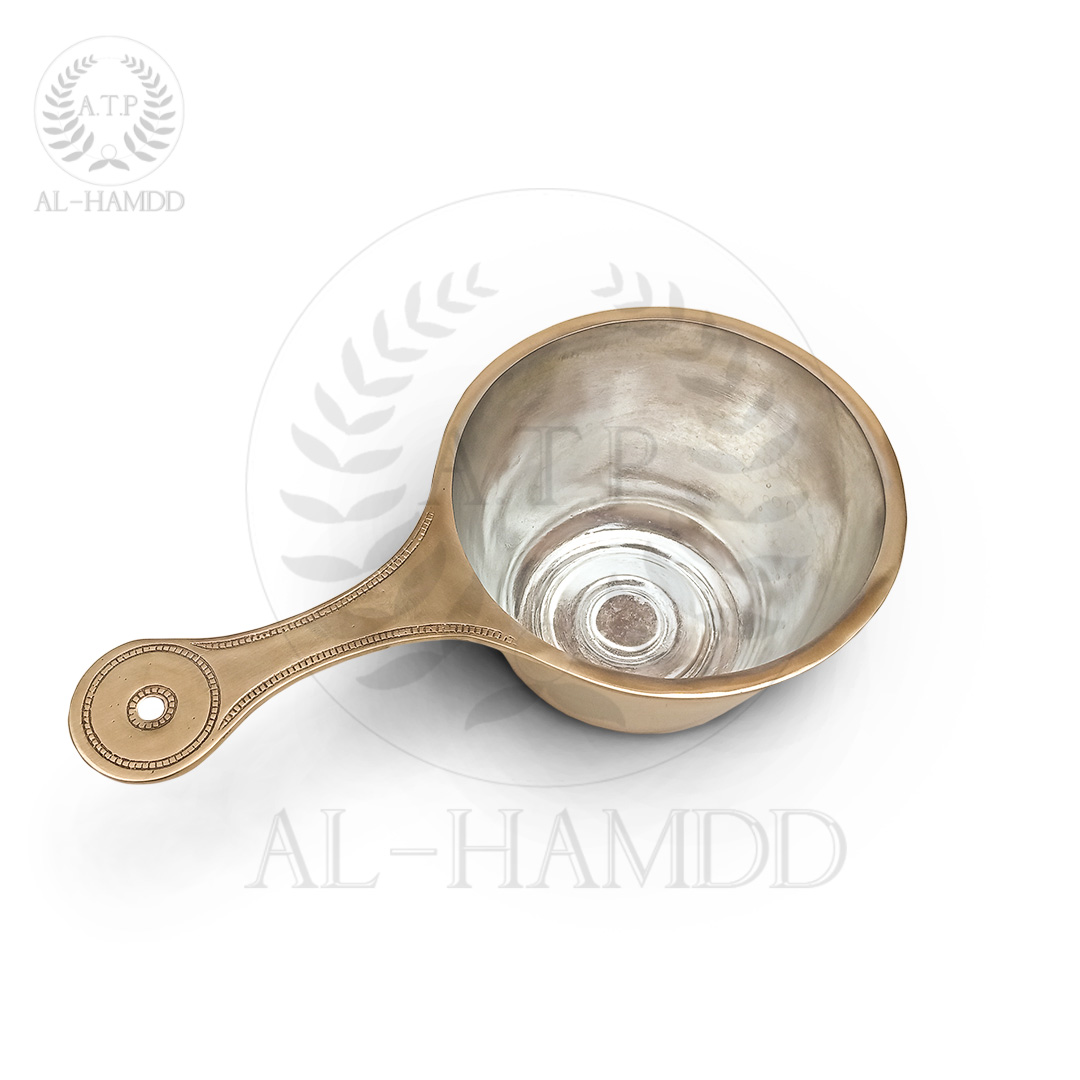
Deep Roman Patera | Brass Cooking Pan for Reenactment
$75.00Key points: –
Period – 2-5th Century A.D
Mouth diameter– 15 cm
Bottom diameter-10 cm
Height – 11 cm
Weight – 1.54 pounds
Handle length- 13cm
Volume – 1.2 litres
Base Material – BrassInspired by ancient Roman design, the Deep Roman Patera is a striking piece of kitchen antiquity that beautifully unites history with modern functionality. Traditionally used in Roman households and campsites, this versatile pan was prized for preparing water-based dishes—ideal for boiling, simmering, and slow cooking.
What truly distinguishes this piece is its thoughtfully refined structure. Reimagined from the classic Roman Patera, it features a deeper bowl with a slightly narrower rim, preserving the original capacity while enhancing ease of use and control during cooking. The grooved base not only elevates its aesthetic appeal but also strengthens the pan’s durability and promotes even heat distribution, making it well-suited for contemporary stovetops. A seamless blend of heritage craftsmanship and practical design, the Deep Roman Patera is more than cookware—it is a timeless culinary artifact, bringing the essence of ancient tradition into the modern kitchen.
-

Foldable Baking Pan
$55.00The Foldable Baking Pan belongs to the Roman period and is believed to be used in both households as well as camp sites. The special feature of the baking pan was its folding handle, which made it easier to carry during camping expeditions. The pan is a shallow-depth cooking utensil, basically used for baking bread. The pan can also be used to stir fry vegetables and other edible items.
-

Four Bowl Baking Pan
$65.00Four Bowl Baking Pan
The Four Bowl Baking Pan belongs to the Roman period and was purposefully used to bake bread in four equal portions of aesthetic size and shape. The bowls gave the bread a domed shape. The size of each bowl is suitable for one bread portion to be used for a single person or for a single meal. The long handle of the pan allowed the baker to insert the pan into the oven and out. Since the pan was used in camps as well, a sturdy ring was attached at the rear end to make the transport easy.
-
Sale!
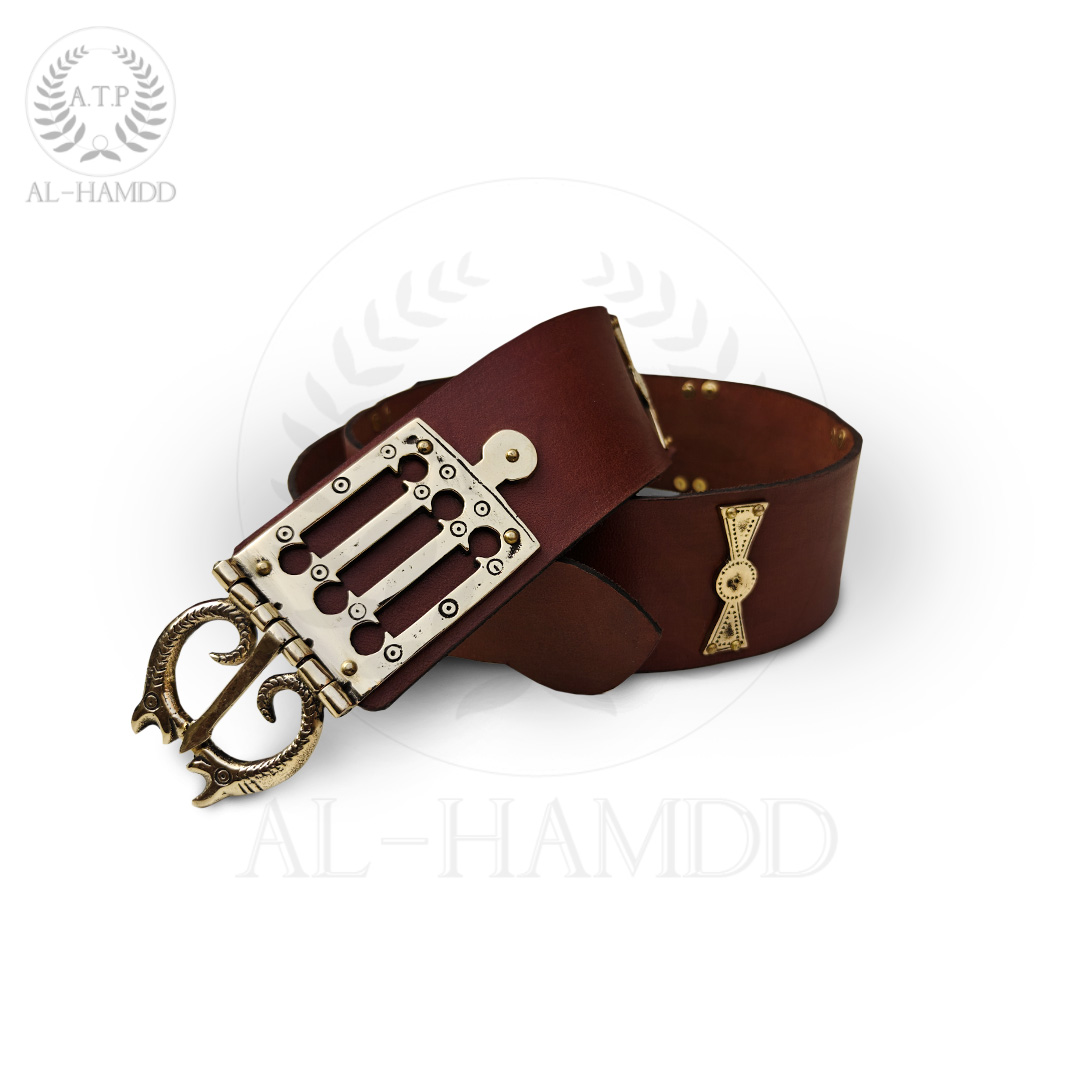
IV Century Roman Belt | Reenactment Balteus
Original price was: $32.00.$26.00Current price is: $26.00.This product has multiple variants. The options may be chosen on the product pageKey Points –
– Gross length – 120cm
– Width – 5.5cm
– Gross weight – 0.75 Pounds
– Thickness of brass stiffeners – 1.5mm / 16g
– Leather thickness – 3mmDescription –
The IV Century Roman Belt is an accessory of the Roman military attire and an important part of the equipment for the sword. The belt comes with eight stiffeners to keep it sturdy and capable of handling the weight of the sword. The belt buckle is designed with serpentine heads and an arrow-shaped pin. -

Knife-Spoon combination cutlery | Antique cutlery | Set of 6
Price range: $50.00 through $90.00This product has multiple variants. The options may be chosen on the product pageKey Points –
– Made by the Sand-Casting method
– Assembled by hand
– Shiny polish
– Length is ergonomic
– Weight – 0.12 PoundsDescription –
A replica of the Knife-Spoon combination crafted in sand-cast pure brass. The original artifact was found in Vindonissa, Switzerland, and is believed to have been used in the early Roman period. This is an exquisite piece of cutlery made of pure brass and manufactured by using the sand-casting technique. A motif shaped like a lion’s head, symbolic in Roman culture, is placed at the center of the item. On one side of the item is a spoon, and on the other side is a knife. -
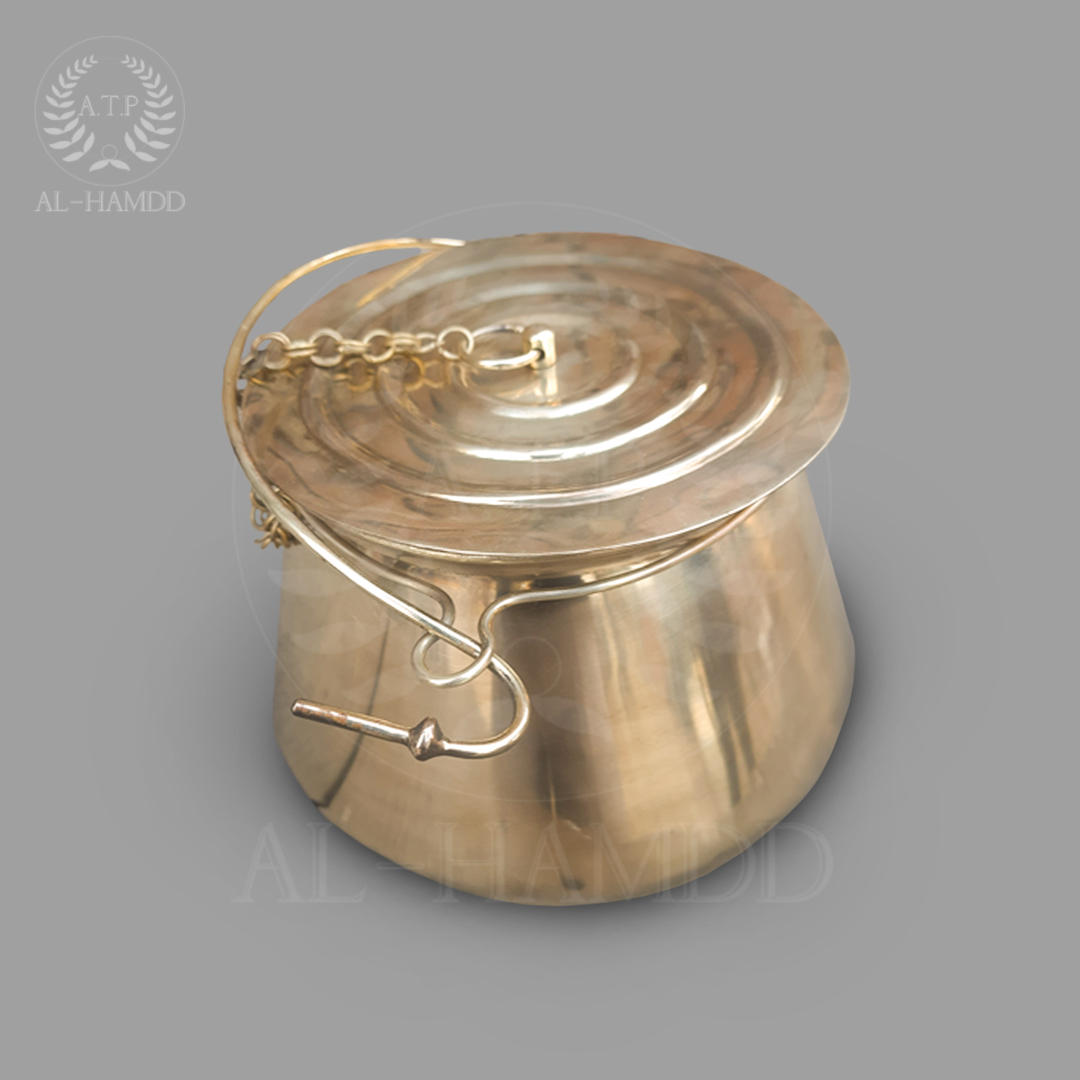
Roman Cauldron | Brass cauldron with lid
$150.00The Roman Cauldron is one of the kitchen antiquities from the Roman era, but was also extensively used at campsites. The replica is made of mild steel, has a round base, and comes with a lid. The lid of the pot is attached to the rim using a double-ringed chain. Like other cooking pots, this also has a round holding rod/handle, which can be used for hanging the pot over a burning flame. The shape of the base will also provide balance on a cooking stove.
-

Roman Era Cacabus | Cooking Pot for Reenactment
Price range: $100.00 through $165.00This product has multiple variants. The options may be chosen on the product pageKey Points –
– 1.2mm thick sheet metal
– Available in Steel and Brass
– Lid is secured using an 8mm butted chain link
– Total Height – 20cm
– Height with raised handle – 33cm
– Mouth Diameter – 12cm
– Capacity – 1.2LDescription –
The Roman Era Cacabus is one of the camping and kitchen antiquities from the Roman era. This pot was widely used by the Roman soldiers on their campsites. The shape and the handle detail allowed the pot to be hung on a stove stand over a flame. The curved bottom evenly distributes the heat around the pot. This was an inexpensive piece of utility and therefore, was also used in the households by women. Historical evidences show that the pot was constructed in steel, brass, and bronze. -
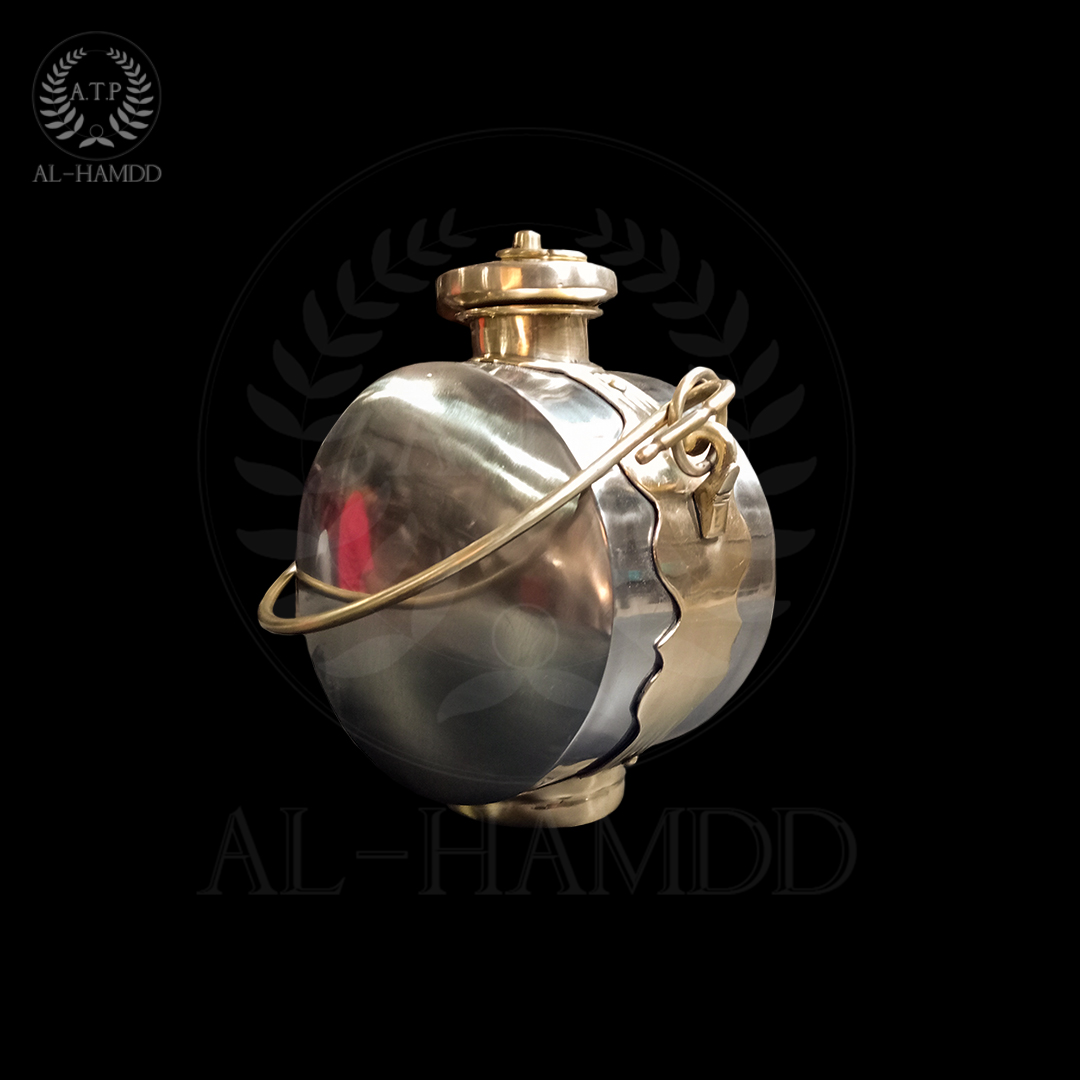
Roman Laguncula
$99.00Key Points–
Period – Roman Era
Gross height – 20cm
Gross weight – 2 pounds
Mouth Diameter- 3 cm
Volume- 1.2 L
Base Material – Steel | Also available in stainless steelThe replica of the Roman Laguncula is also known as the oil canteen as it was used to carry and store oil in the Roman era. The purpose of the Laguncula make it a product for both the civilians as well as the army. The canteen was originally made of steel; the use of oil protected it from rusting on the inside. The brass decorations make the product an aesthetic piece of art and utility. Today, the Roman Laguncula is more of a decorative item than utilitarian. It is used as a centerpiece of decor in households showcasing their culture and attachment to Roman history.
-
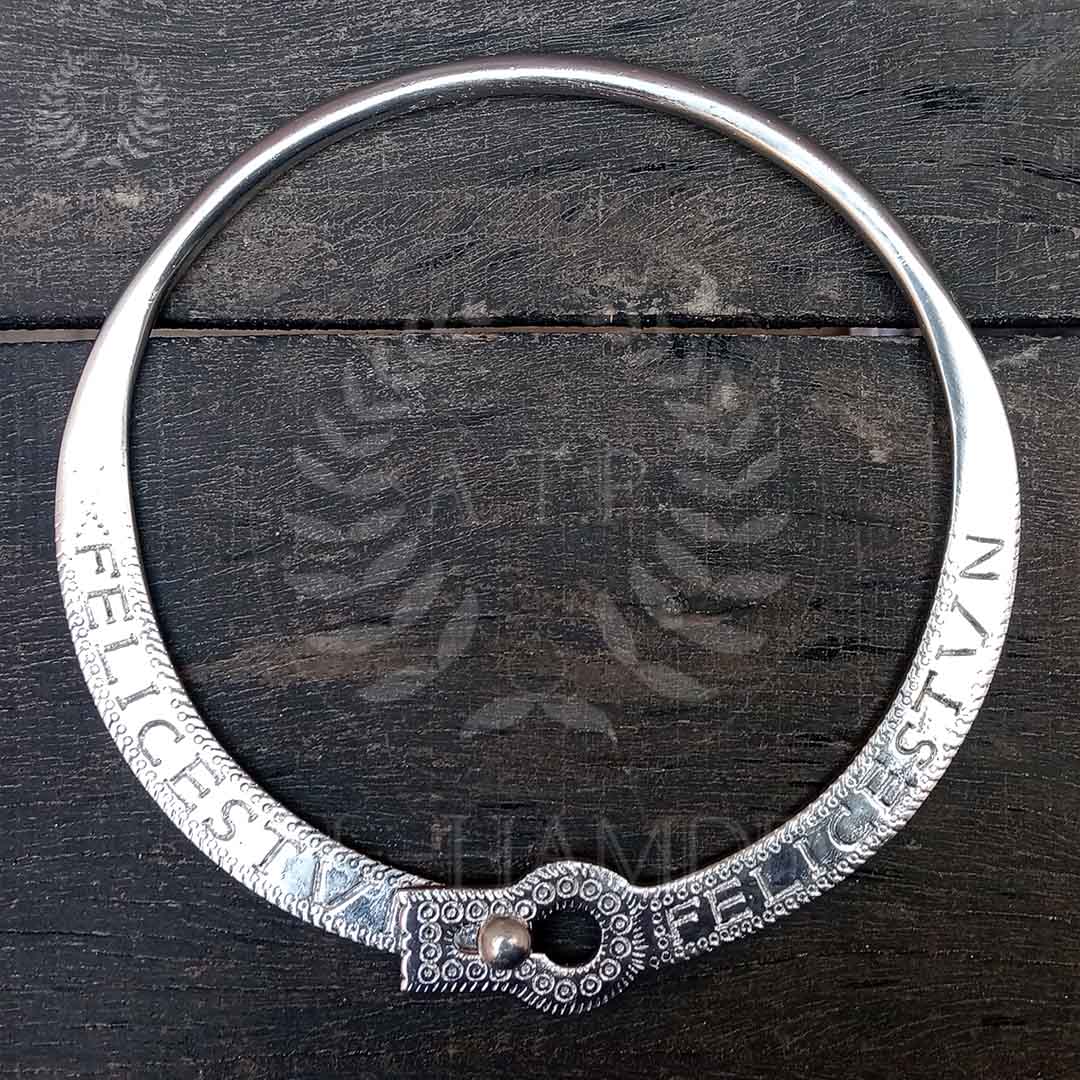
Roman Neck Ring | Reenactment Jewellery
Price range: $25.00 through $30.00This product has multiple variants. The options may be chosen on the product pageA replica of the Roman neck ring with an inscription from the Military group of the Roman period. The neck ring shows a mushroom-shaped rivet and a cut-out hole of identical shape at the left end. The rims of the obverse are lined with short notches and small punched circles as well as cube eyes in the area of the thickening. There is a stamped inscription ‘FELICES TVN’ on the obverse. Torcs, originally the neck rings of Celtic warriors, are documented as military awards in the Roman army since Republican times. They were usually worn over the breastplate armor. Gold and silver neck rings are also mentioned as an accouterment of the Draconiarii, the bearers of the Draco standard. The rings were used as a cohort field sign until late antiquity.
The inscription FELICES TVN probably refers to the auxiliary unit of the Sagittarii Tungri mentioned in the Notitia Dignitatum. It is, therefore, the only military insignia of a standard bearer known historically.
* This description was provided to us by an Italian archaeologist Michele Angiulli.
-
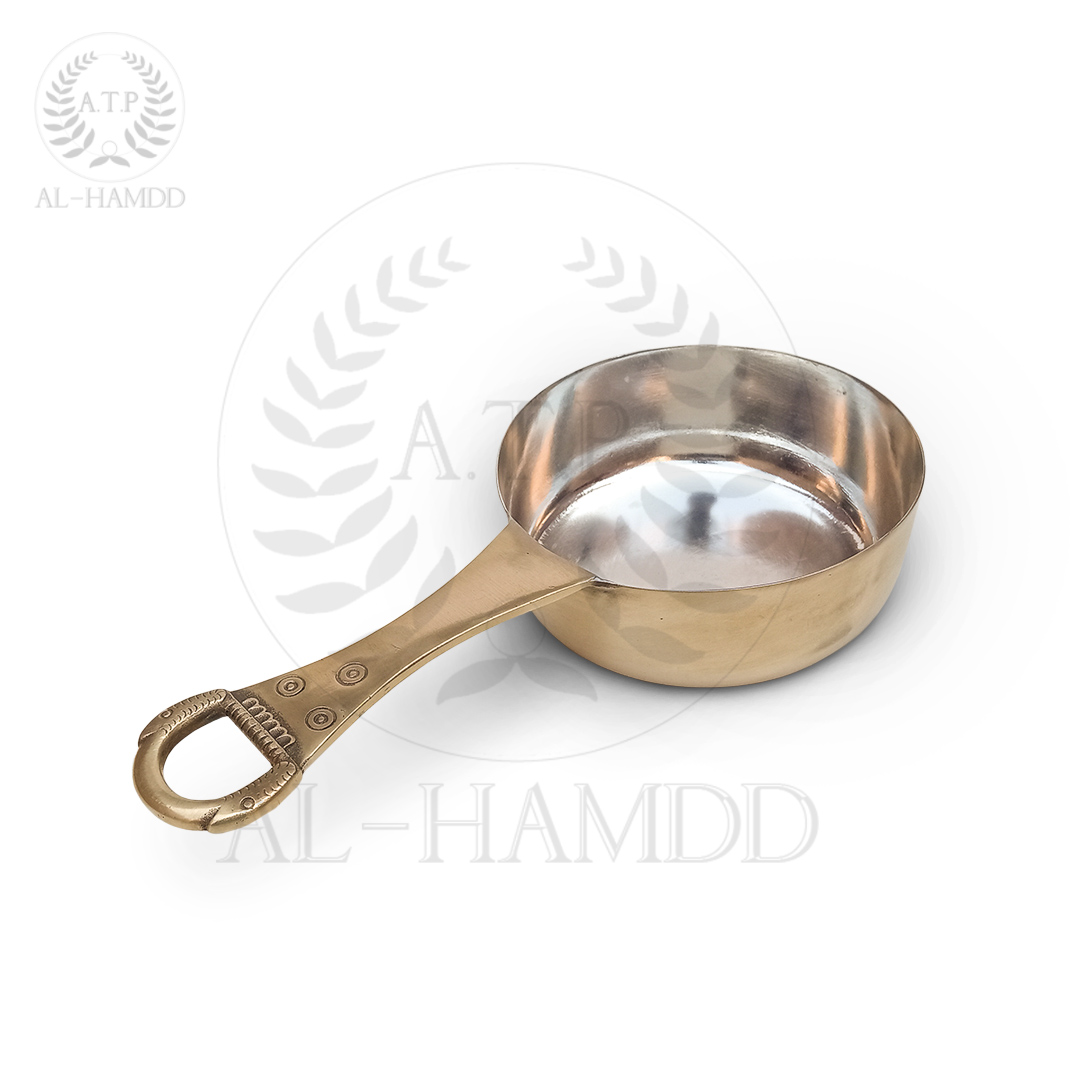
Roman Patera for camping | Brass saucepan
$60.00Roman patera is a saucepan believed to have been used by the Roman legions during battleground camps. It was an essential piece of equipment for the Roman army while they were on long marches during expeditions. The infantrymen carried such cooking essentials along with cutlery and other types of utensils of use. The Patera or other types of saucepans were also a part of households for cooking small portions of food for the family. This particular saucepan is believed to be used mainly for cooking soups. The original patera was found in the remains, but the base was missing, and the handle had some varying designs as per scholars. The bowl has a lip (a slight bent) along the rim to help pour liquids into cups.
* The engraved design on the handle is not exactly the same as the historical artifact, it is an inspiration from various patterns and shapes.