-
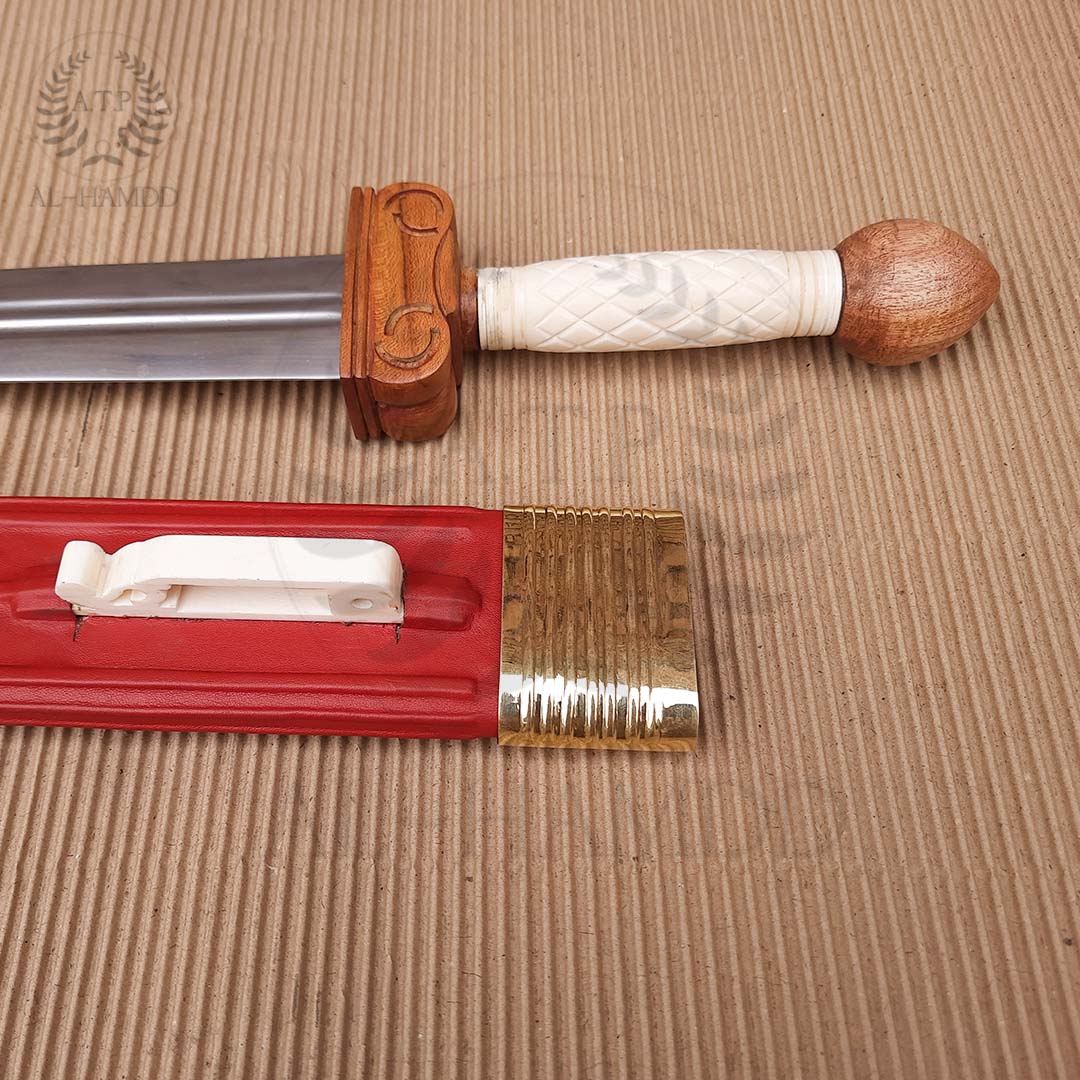
Late Roman Spatha
$150.00The Late Roman Spatha is believed to belong to the late third century or early fourth century. Spatha is a double-edged long sword that is used for long-range combat weapons, generally used with both hands. It was used beyond that period as well but it has its roots in this time range only. Our replica has a composite hilt, the cross-guard, and the pommel are made of wood while the handle/grip is made of bone.
-

Military Campagi | Roman Reenactment Shoes | Deurne
Price range: $65.00 through $70.00This product has multiple variants. The options may be chosen on the product pageKey Points –
– 2mm thick vegetable-tanned leather upper.
– 4mm thick heavy-duty leather sole.
– Leather Laces.
– Hand Stitched.
– Available in three color options. Custom colors are also available on special request.Description –
The Military Campagii is a pair of reenactment leather shoes inspired by the historical find from Deurne, NL. It likely belongs to the 4th century AD. The design of the shoes is inspired by the museum replica. The design of the shoes can have slight variations from the original find as the remains were not in good condition. -
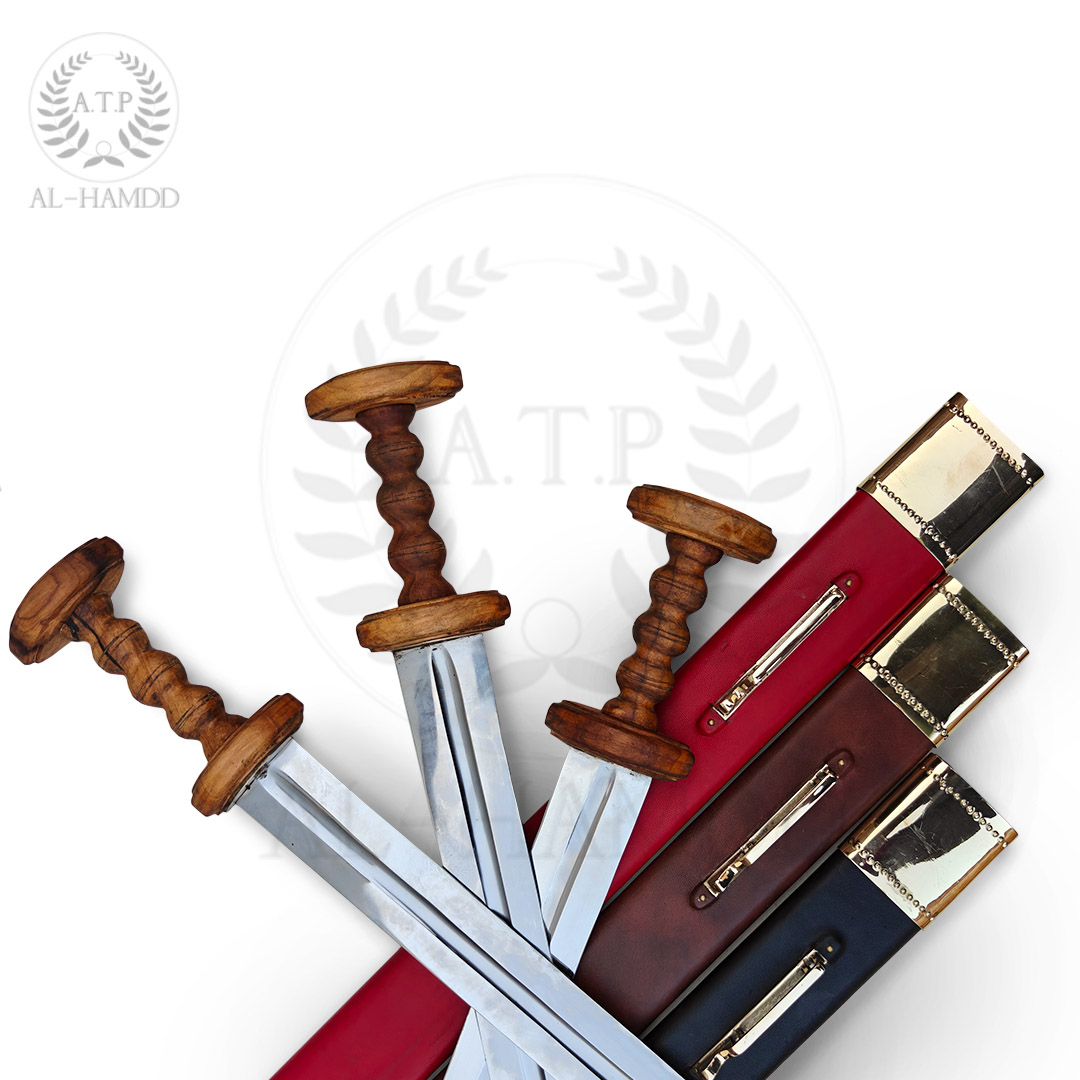
Nydam Roman Sword | Late Roman Spatha
$150.00This product has multiple variants. The options may be chosen on the product pageKey Points –
– Hand-Made
– Edges are blunt, and the tip is rounded. Suitable for reenactment and decor
– Double-edged long sword
– 250mm x 10mm long single fuller
– Wooden hilt
– Wooden scabbard with brass fittingsDescription –
The Nydam Roman Sword is believed to belong to the late Roman period between the 4th and the 5th centuries. The excavation site for its find was Nydam Bog, Denmark. There were no clear remains of the hilt and the scabbard; therefore, it is inspired by other close references of the same period. The spatha is a double-edged long sword that is used for long-range combat. It was used with both hands for stability and precise action. -

Officer’s Muscle Cuirass | Roman Armour | Brass
$360.00The Officer’s Muscle Cuirass, also known as the Roman Musculata. It is an anatomical piece of armour designed for Roman Reenactors. A cuirass has been a part of the armour for a long time, it was used by Greek Hoplites and then was used by Roman army officers as well. There are a lot of examples of decorated cuirasses from the Roman Empire; the main decorative element being the central figurine. In our replica, we have used a Medusa figurine which was one of the three gorgons from the Greek Mythology. This is another piece of evidence that shows that the basic design of cuirasses was trickled down from the Greek era to the Roman era. It was the Greeks that brought forward the idea of anatomical armour for hoplites, producing muscular armour for their hoplites.
-

Pompeii Sandals Replica | Roman Reenactment footwear
$50.00This product has multiple variants. The options may be chosen on the product pagePompeii Sandals Replica belongs to the ancient Roman era. They got its name from the place of their discovery i.e. Pompeii City, Italy. Many different types of Roman footwear were found in the remains at various excavation sites and it shows that footwear was common even in the civilian population. The military men and the infantry wore shoes that were fully covered while the civilians wore sandals or open footwear.
-

Roman Blucina Spatha
$160.00Roman Blucina Spatha is believed to belong to the end of the II century or early third century. Spatha is a double-edged long sword that is used for long-range combat weapons, generally used with both hands. It was used beyond that period as well but it has its roots in this time range only. Our replica has a composite hilt, the cross-guard, and the pommel are made of buffalo horn while the handle/grip is made of brass.
-
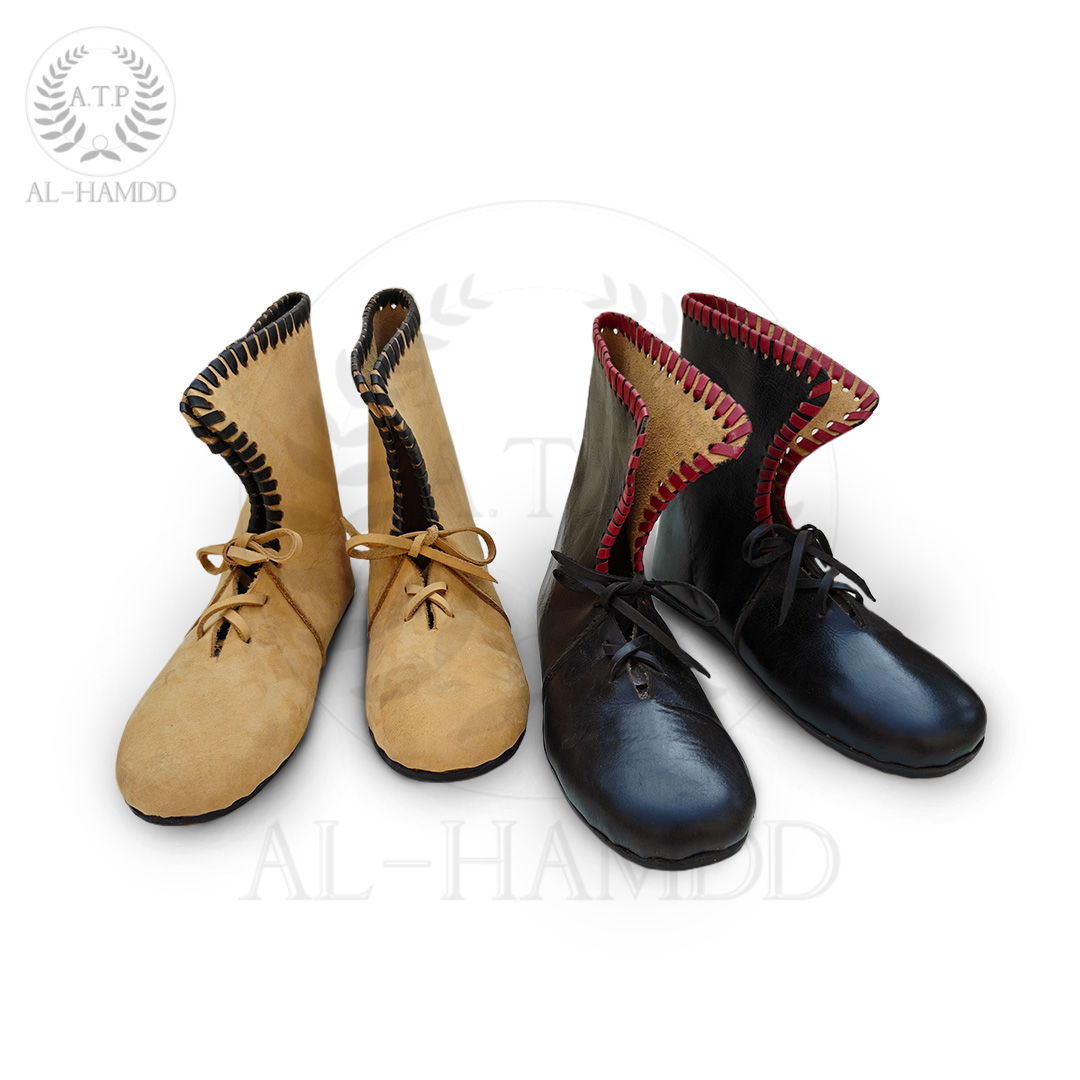
Roman Calcei Boots | Reenactment boots
$70.00This product has multiple variants. The options may be chosen on the product pageKey Points –
– 2mm thick vegetable-tanned leather upper.
– 4mm thick heavy-duty leather sole.
– Leather Laces.
– Hand Stitched.
– Available in three color options. Custom colors are also available on special request.Description –
Roman Military boots, as the name suggests, were specifically designed for military men who endured harsh outdoor conditions. The Roman soldiers had to walk hundreds of miles during the Christian crusades and other territorial expeditions. The design of these boots covers the entire foot and features a hard sole for navigating difficult terrain across European lands. Each shoe has a central ridge on the front end due to the stitching of the two sides. They have a high-ankled design to give additional support when walking/running across rugged terrains.The leather thongs used in the shoes have a square section. Historically, it is believed that all the laces for all types of shoes were made from leather scraps left over after shoe production.
-
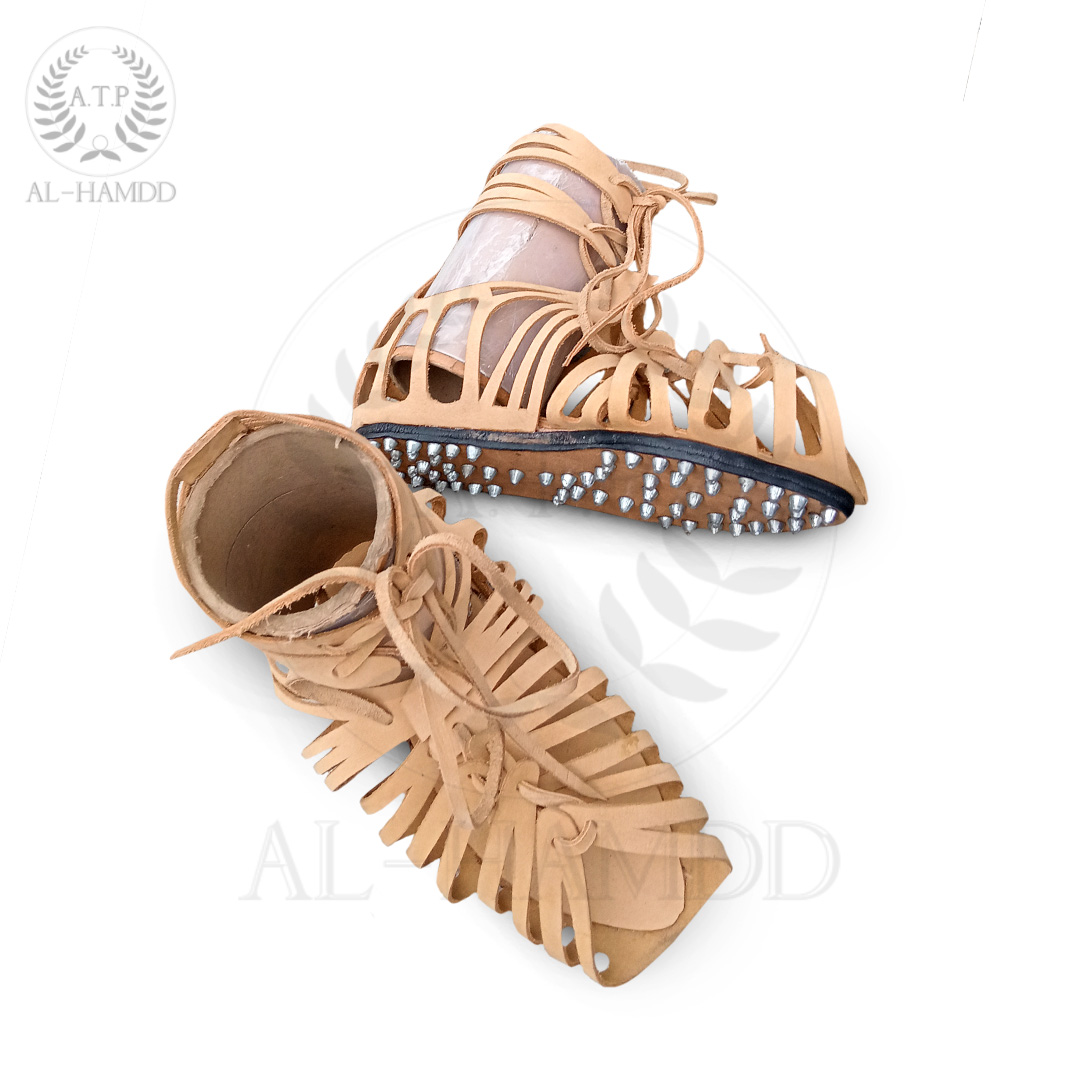
Roman Caligae Sandals | Roman Army Reenactment footwear
$60.00This product has multiple variants. The options may be chosen on the product pageKey Points –
– Steel Hobnails
– 2mm thick Vegetable-Tanned Leather. Heavy Duty 4mm thick leather sole.
– Leather LacesDescription –
Roman Caligae Sandals are a piece of Roman footwear used by Roman cavalrymen as well the countrymen like farmers, workers, etc. Caligae are high-ankle sandals and they have a mesh/open design to give breathable comfort to the user. The soldiers preferred these sandals in warm/tropical climates during their expeditions. Some historical findings also show that the cavalrymen also wore socks with these sandals. The Caligae were designed in both fashions, with and without hobnails as per the requirement. Hobnails provided better traction on the ground and also became an additional fighting aid during close combat situations. -
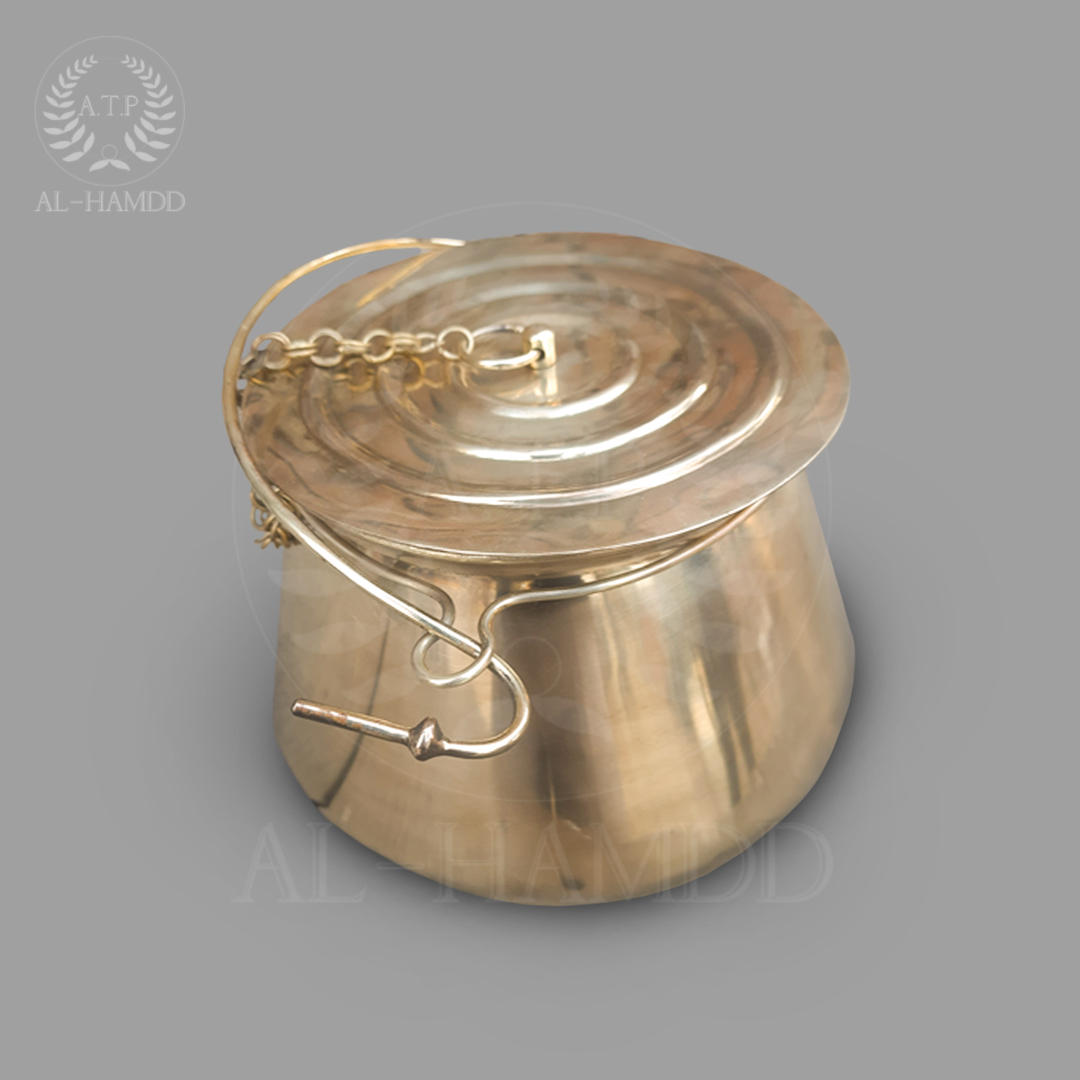
Roman Cauldron | Brass cauldron with lid
$150.00The Roman Cauldron is one of the kitchen antiquities from the Roman era, but was also extensively used at campsites. The replica is made of mild steel, has a round base, and comes with a lid. The lid of the pot is attached to the rim using a double-ringed chain. Like other cooking pots, this also has a round holding rod/handle, which can be used for hanging the pot over a burning flame. The shape of the base will also provide balance on a cooking stove.
-

Roman Era Cacabus | Cooking Pot for Reenactment
Price range: $100.00 through $165.00This product has multiple variants. The options may be chosen on the product pageKey Points –
– 1.2mm thick sheet metal
– Available in Steel and Brass
– Lid is secured using an 8mm butted chain link
– Total Height – 20cm
– Height with raised handle – 33cm
– Mouth Diameter – 12cm
– Capacity – 1.2LDescription –
The Roman Era Cacabus is one of the camping and kitchen antiquities from the Roman era. This pot was widely used by the Roman soldiers on their campsites. The shape and the handle detail allowed the pot to be hung on a stove stand over a flame. The curved bottom evenly distributes the heat around the pot. This was an inexpensive piece of utility and therefore, was also used in the households by women. Historical evidences show that the pot was constructed in steel, brass, and bronze. -
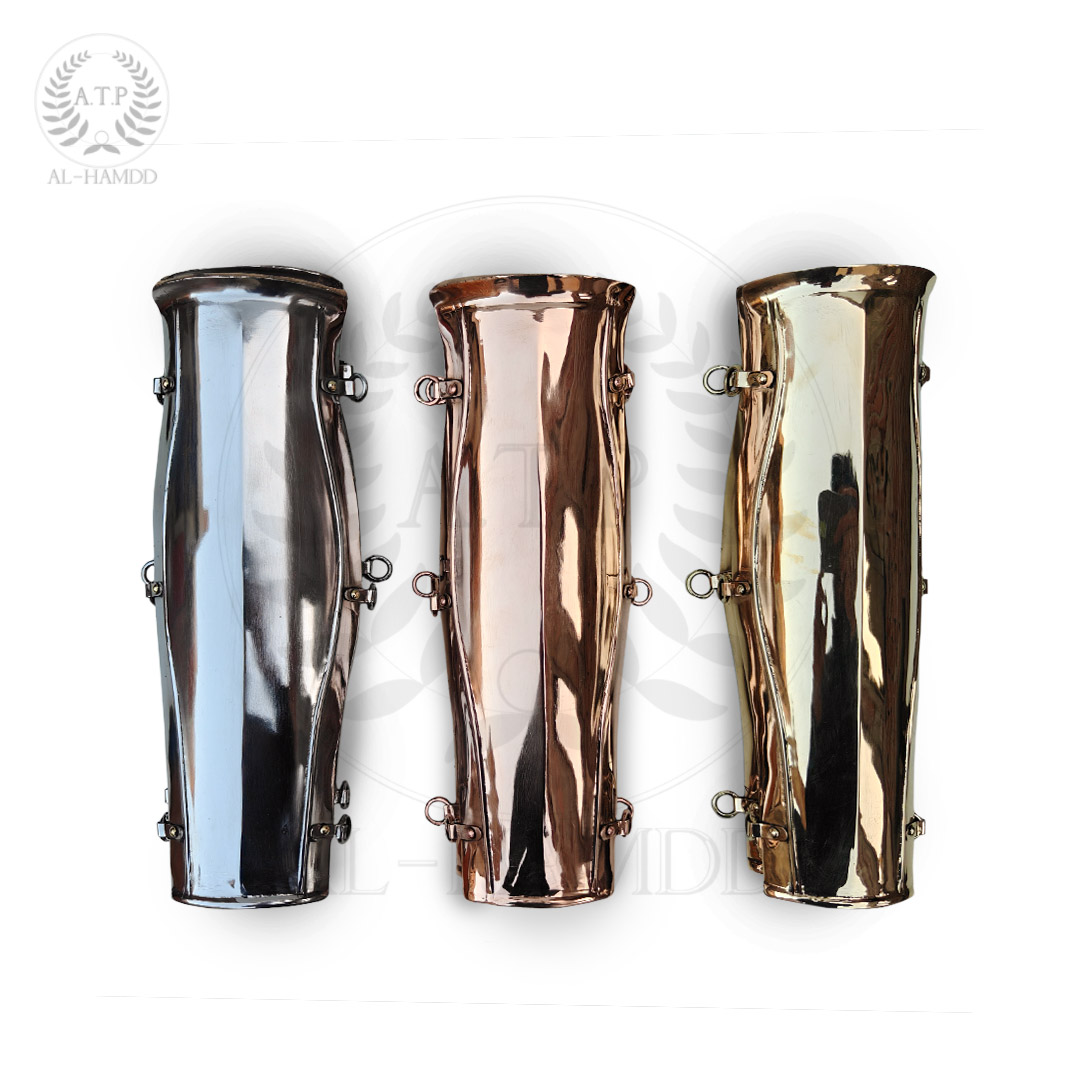
Roman Greaves | Dura Reenactment | Kunzing
Price range: $55.00 through $90.00This product has multiple variants. The options may be chosen on the product pageKey Points –
– Suitable for Late Roman reenactors.
– Made of 1mm thick sheet metal.
– Padded on the inside.
– 6mm wide flat Leather thongs in the box.
– Polished finish.Description –
The Late Roman Greaves are small pieces of leg armor that sit below the knee of the wearer. It is lightweight, easy to carry, and comfortable to wear. The greaves are inspired by artifacts found in Dura, including two Roman bronze greaves from Legio VII, and also captured from Trajan’s Trophy.
*We try to create close replicas of the historical artifacts, but there can be slight variations in appearance in comparison to the original.
**The reference image is not clicked by our team, and we do not claim any kind of ownership of it. We have downloaded the image from the internet. -
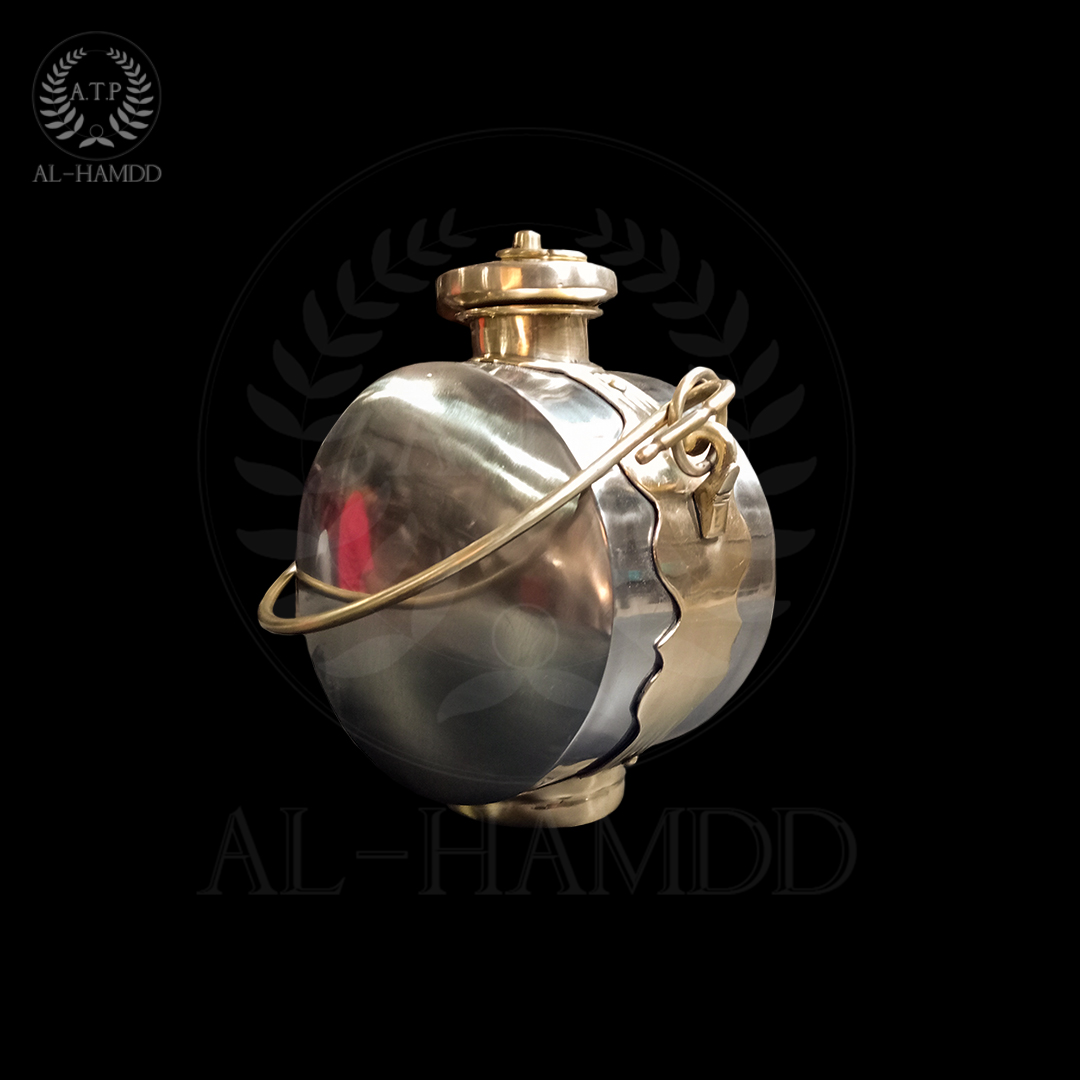
Roman Laguncula
$99.00Key Points–
Period – Roman Era
Gross height – 20cm
Gross weight – 2 pounds
Mouth Diameter- 3 cm
Volume- 1.2 L
Base Material – Steel | Also available in stainless steelThe replica of the Roman Laguncula is also known as the oil canteen as it was used to carry and store oil in the Roman era. The purpose of the Laguncula make it a product for both the civilians as well as the army. The canteen was originally made of steel; the use of oil protected it from rusting on the inside. The brass decorations make the product an aesthetic piece of art and utility. Today, the Roman Laguncula is more of a decorative item than utilitarian. It is used as a centerpiece of decor in households showcasing their culture and attachment to Roman history.